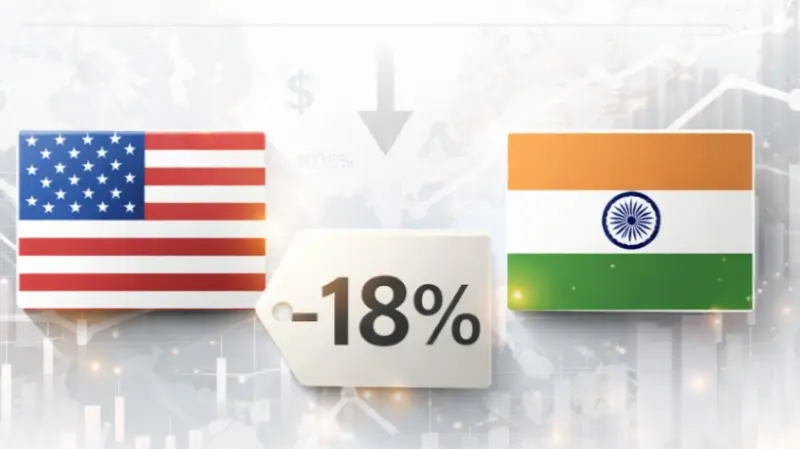
In a bold move reshaping global trade dynamics, former U.S. President Donald Trump announced a landmark tariff reduction deal with India, cutting duties on Indian exports from around 50% to just 18%. This decision, made in early 2026, is poised to deliver a substantial boost to the Indian economy, especially in sectors like manufacturing, exports, and energy. Beyond economics, it marks a pivotal shift in U.S. - India diplomacy, with implications for markets, trade policies, and geopolitical alliances.
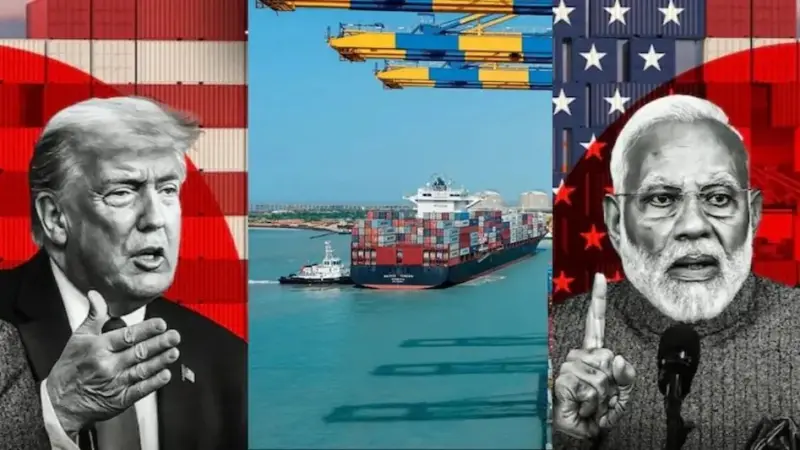
What Exactly Did Trump Announce?
Tariff Cut Details
Under the new trade agreement, the United States has slashed tariffs on a broad spectrum of Indian exports. This includes high-impact industries such as:
- Pharmaceuticals
- Textiles and Apparel
- Automobile Components
- Steel and Engineering Goods
These reductions bring India’s average export tariff rate to 18%, a dramatic drop from previous levels that often exceeded 50% for specific product categories.
Strategic Diplomacy Behind the Deal
This agreement isn’t just about tariffs it’s the result of a broader strategic realignment. As part of the deal:
- India agreed to phase out imports of Russian oil, aligning more closely with U.S. energy interests.
- India also committed to increasing energy and defense imports from the U.S., opening the door for long-term commercial partnerships.
Stock Market Reactions in India
Indian Indices Surge
Markets in India responded immediately and positively to the announcement. On the day following the deal:
- Nifty 50 surged by nearly 2.5%, one of its strongest single-day gains in nine months.
- The Sensex and GIFT Nifty also rallied sharply, driven by gains in Reliance, IT stocks, and banking sectors.
Rupee and Bond Markets React Positively
- The Indian rupee recorded its biggest one-day jump in over seven years, a clear sign of renewed investor confidence.
- Government bond yields eased as demand for Indian assets surged, indicating a favorable risk environment for foreign investors.
Sector-Wise Benefits for India
Export-Driven Industries to Gain
India’s export-heavy industries are among the biggest winners from this deal. With U.S. tariffs down:
- Indian pharma and textiles become more price-competitive
- Engineering and machinery exports can expand with lower market-entry costs
- IT services and technology products can ride the momentum with bundled service deals
Jobs and MSMEs
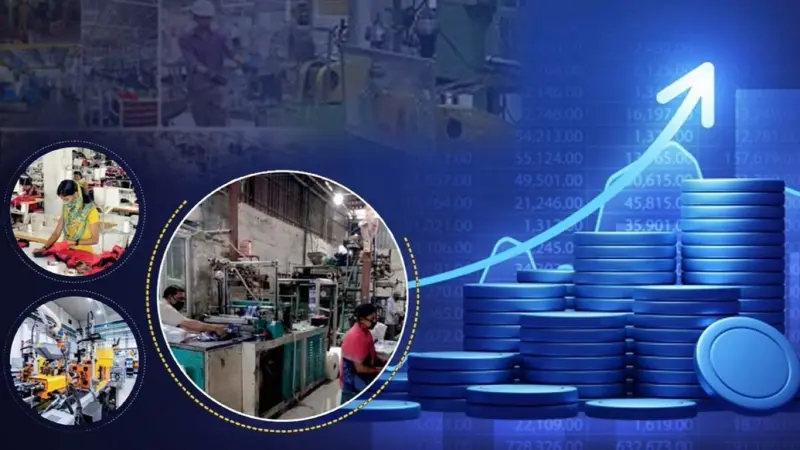
The deal is expected to stimulate job creation in MSMEs (Micro, Small & Medium Enterprises), particularly those engaged in export-linked value chains. As demand from the U.S. surges, Indian firms will likely scale up hiring, manufacturing, and logistics support, creating a ripple effect in domestic employment.
What This Means for India’s Economy
GDP Impact
Economists project that the tariff rollback, if sustained and implemented smoothly, could boost India’s GDP growth by 0.3% to 0.5% in FY2026-27. This is a major uplift driven by export expansion, capital inflows, and market confidence.
Energy Diversification
India’s agreement to shift away from Russian oil creates space for increased energy collaboration with the U.S., including liquefied natural gas (LNG) and crude oil supply chains. This contributes to energy security and diversification, a key priority for India in the post-pandemic global order.
Cautions & Considerations
While the deal appears promising, some concerns remain:
- Implementation details are still unclear, particularly around timelines and trade compliance.
- Opposition parties in India have raised concerns over the potential impact on domestic farmers and agriculture.
- There may be external pressure on India to open more markets and reform domestic tariffs in return.
Transparency, consistency, and gradual rollout will be key to ensuring long-term success.
A Historic Reset in Trade Policy
This U.S.–India trade agreement marks a defining moment in bilateral economic relations. For India, it presents a real opportunity to:
- Strengthen its export competitiveness
- Attract foreign investments
- Deepen energy and technology partnerships
- Build momentum for Make in India and Atmanirbhar Bharat
While challenges remain, the benefits far outweigh the risks positioning India for sustainable growth in a more interconnected, post-tariff global economy.

Comments (0)
Join the conversation
No comments yet. Be the first to share your thoughts!